Flooding in Accra Today – GYG Calls for Urgent Investment in Disaster and Risk Management
Today, parts of Accra are once again underwater. Homes, roads, schools, and farms are flooded. Livelihoods are disrupted. And the most vulnerable citizens are paying the highest price.
As Ghana Youth Guide, we ask a critical question: As a nation, what is our disaster and risk management plan?
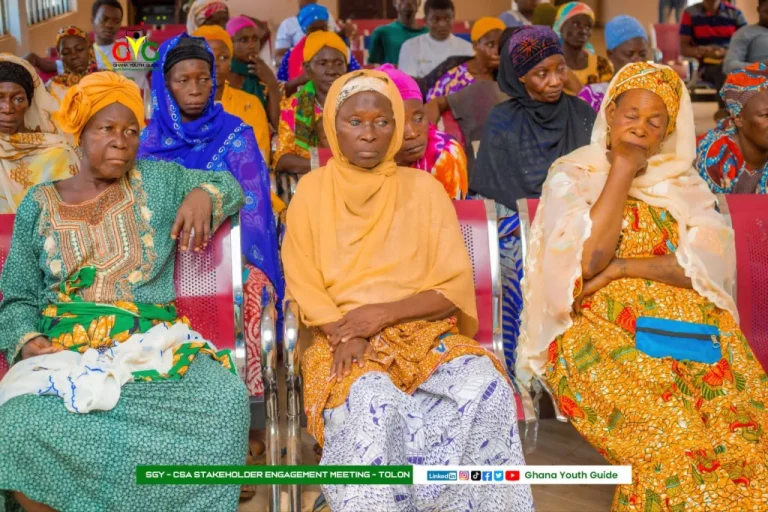
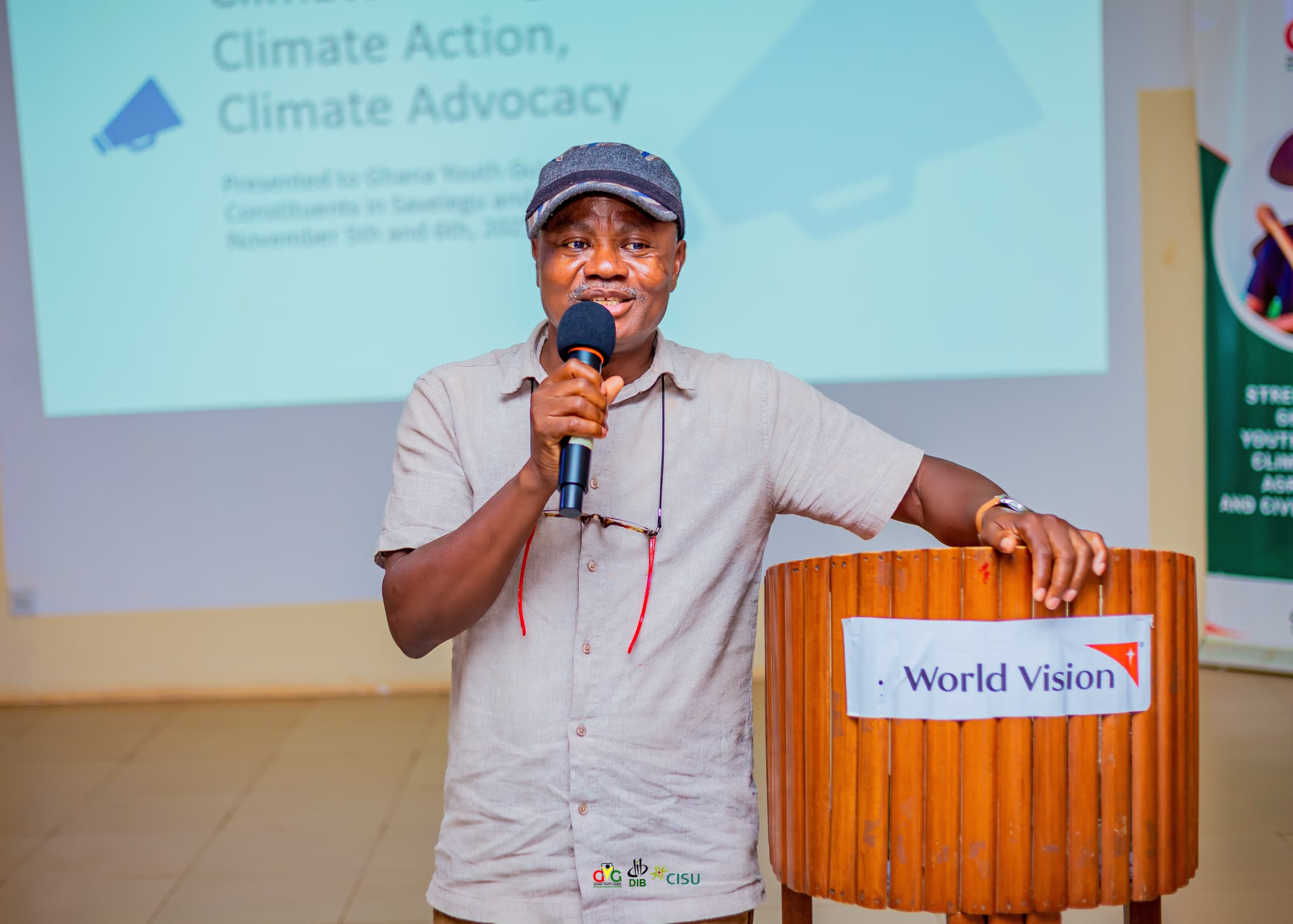
We warned about this at the official launch of our Resilient Roots of Change Project in Tamale last year, our Project Coordinator Mr. Chentiwuni S.A Fatawu emphasized a point that is now urgent again today.
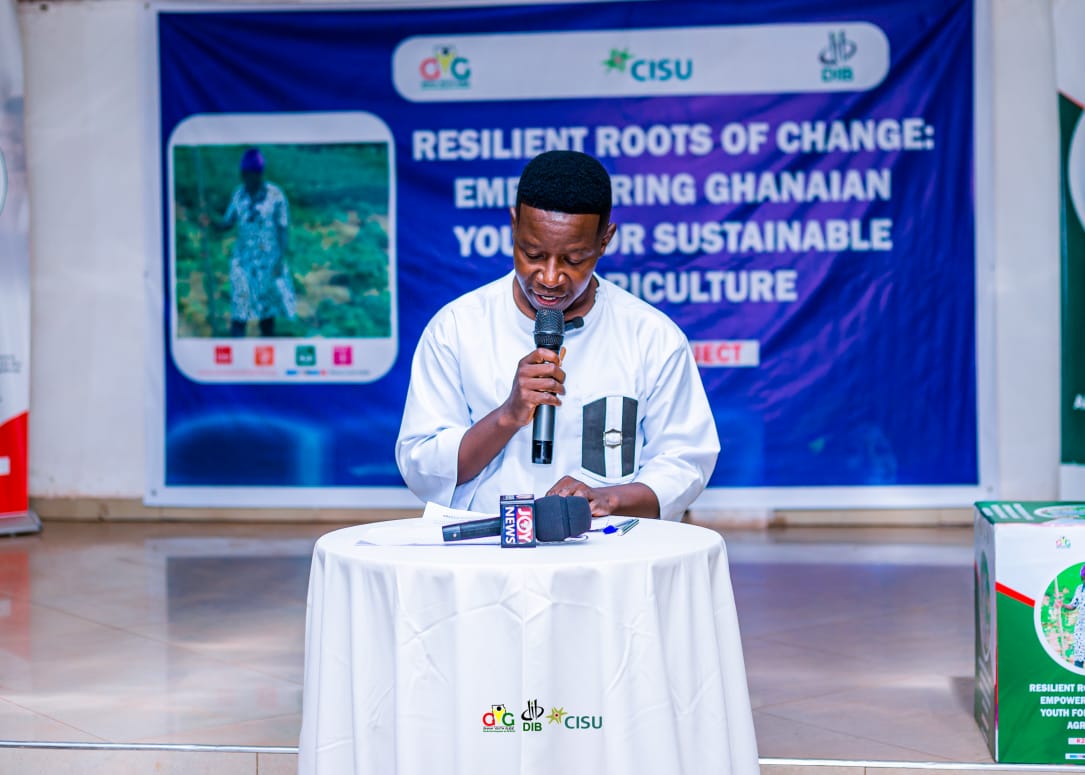 Government must enhance the capacity of the Ghana Meteorological Agency to deliver timely, accurate, and community-level weather forecasts. This will significantly benefit farmers, households, and all citizens.
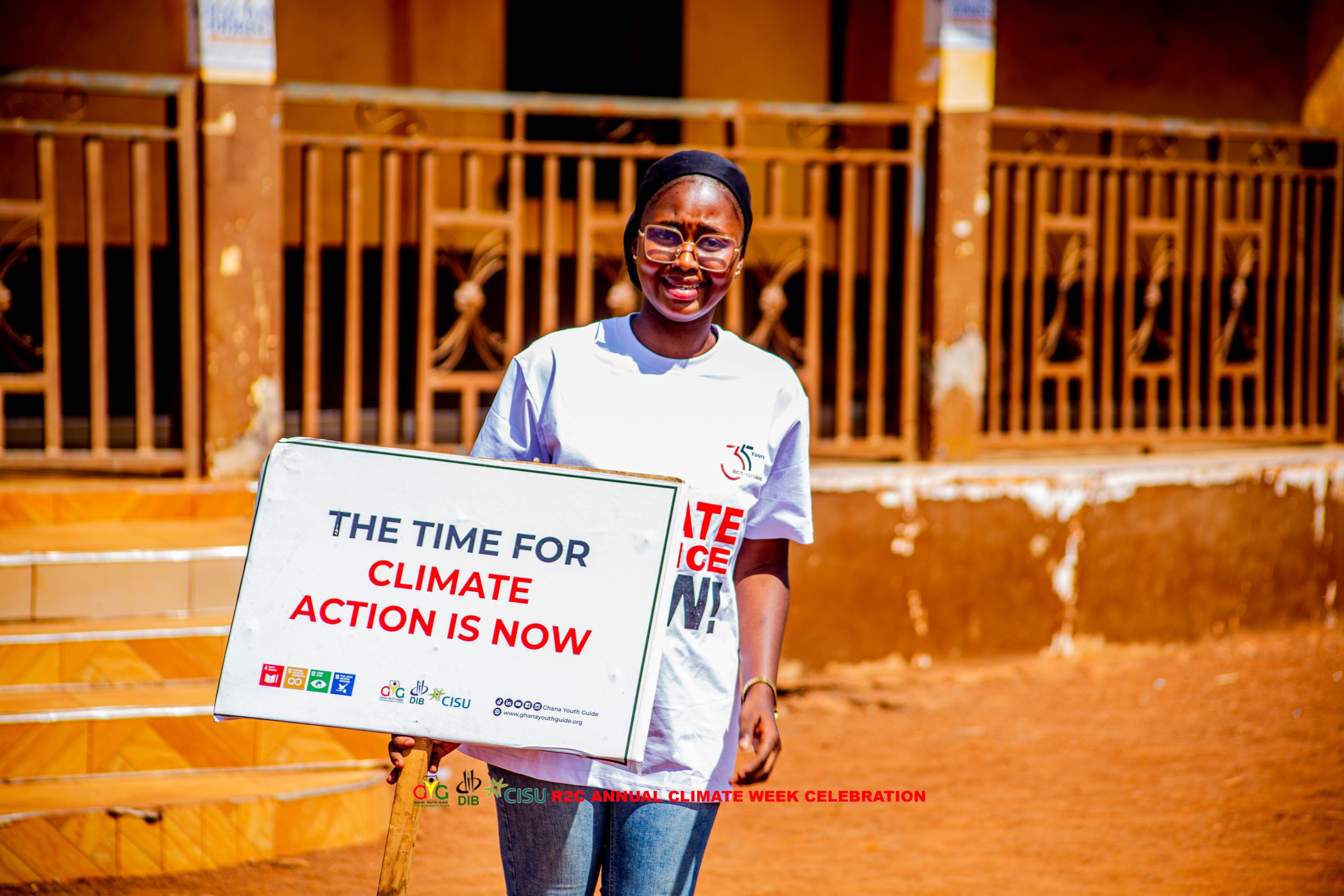
Climate change is not a future threat. It is here. We are seeing it in the increased frequency of floods, heat waves, and droughts that our R2C communities in Tolon and Savelugu already face. When forecasts are late, unclear, or inaccessible, farmers plant at the wrong time. Households cannot evacuate early. Cities cannot clear drains in time. The result? Losses we could have prevented.
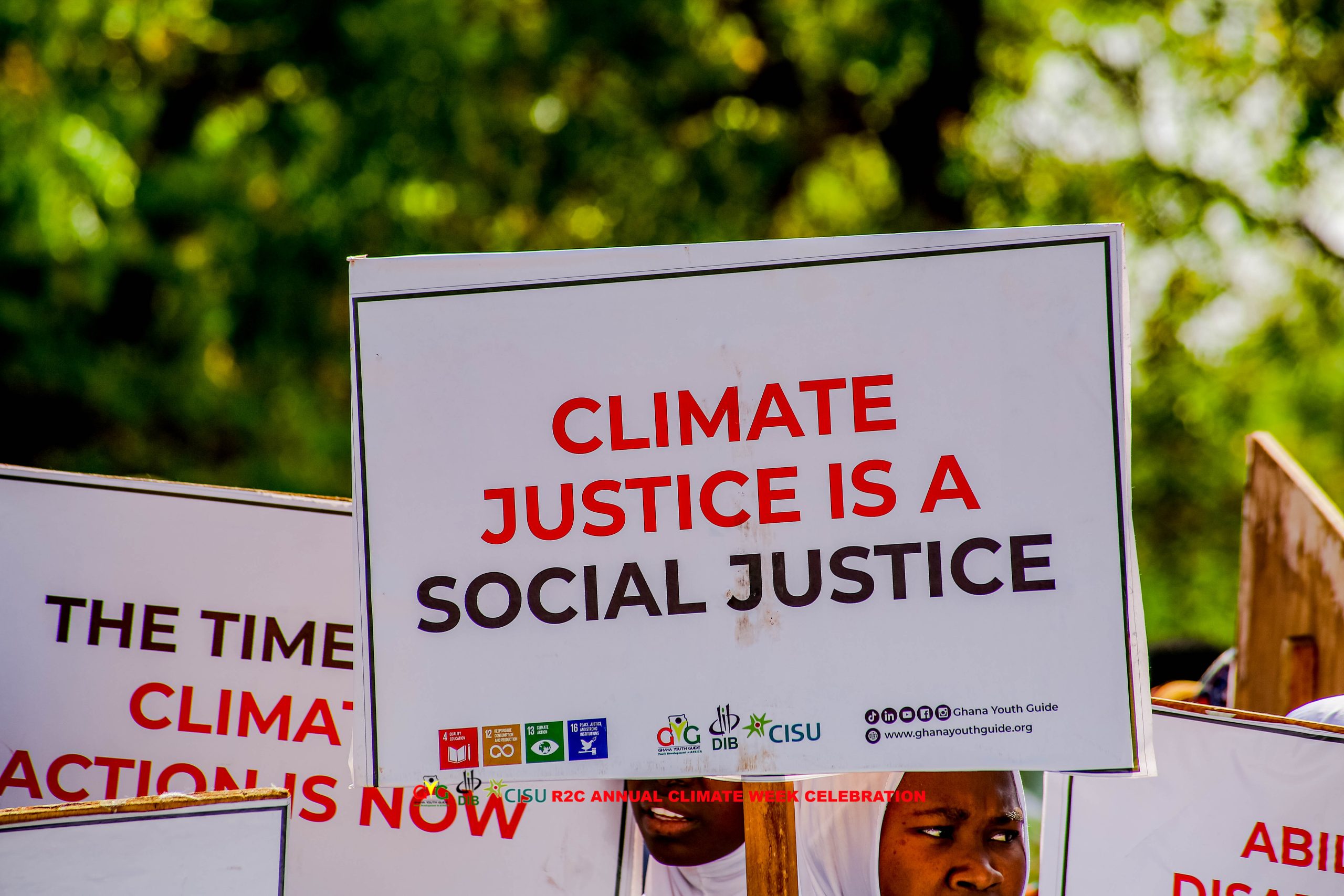
Climate Justice is About Protecting the Vulnerable. The sign in this photo from our R2C Annual Climate Week Celebration says it clearly: “Climate Justice is about protecting the vulnerable.”
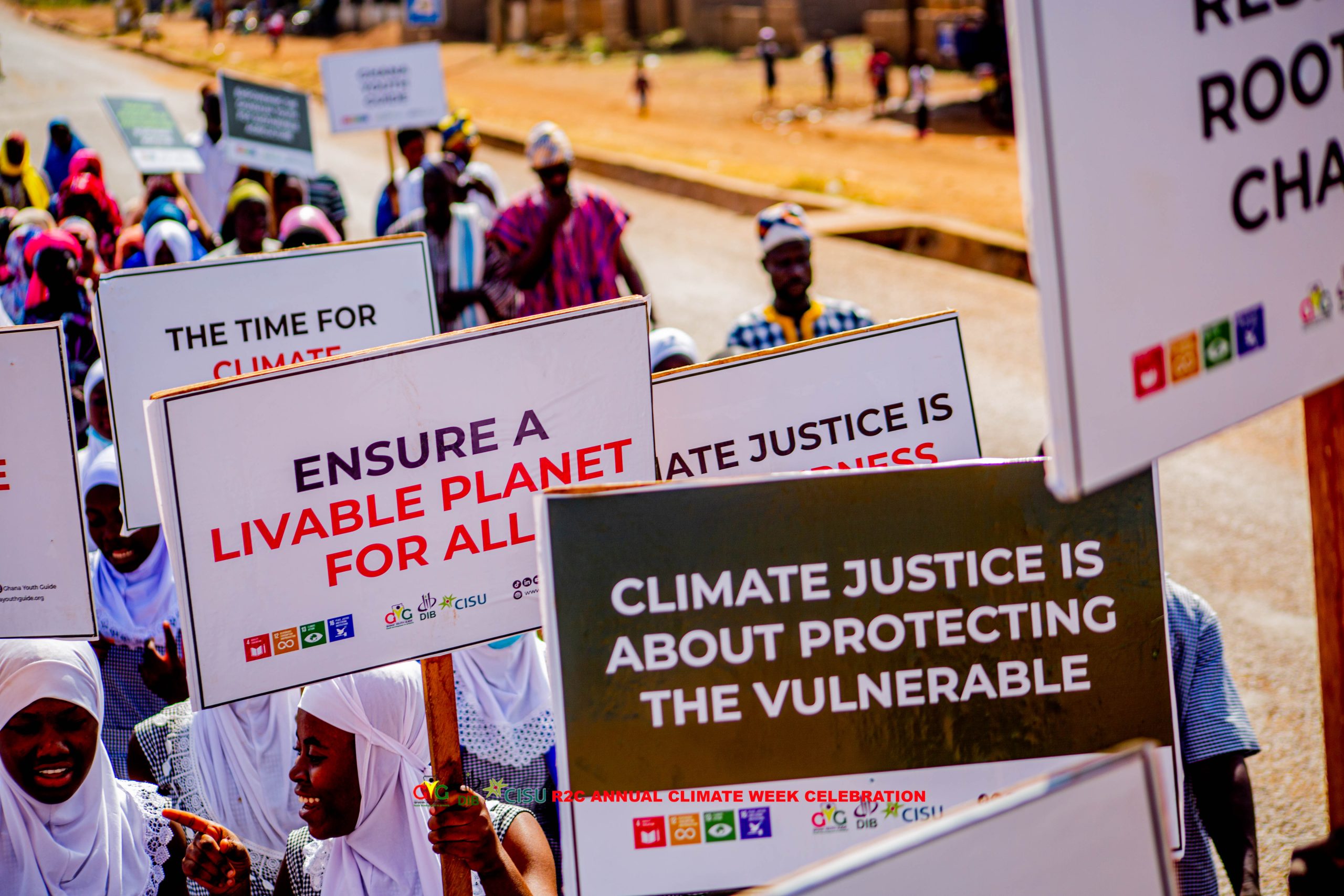
Today’s floods in Accra are a climate justice issue. The traders who lost goods, the children who cannot get to school, the families displaced, and the farmers whose seasons are disrupted, they are the ones least responsible for climate change, but most affected by it.
What Must We Do as a Nation, Going Forward? GYG calls for immediate and medium-term action:
1. Strengthen Early Warning Systems by
investing in Gana Meteorological department with better equipment, more meteorologists, and localized forecasts in local languages and via radio, SMS, and WhatsApp. Forecasts must reach farmers in Savelugu, traders in Accra, and teachers in rural Senior High Schools before the rain starts.
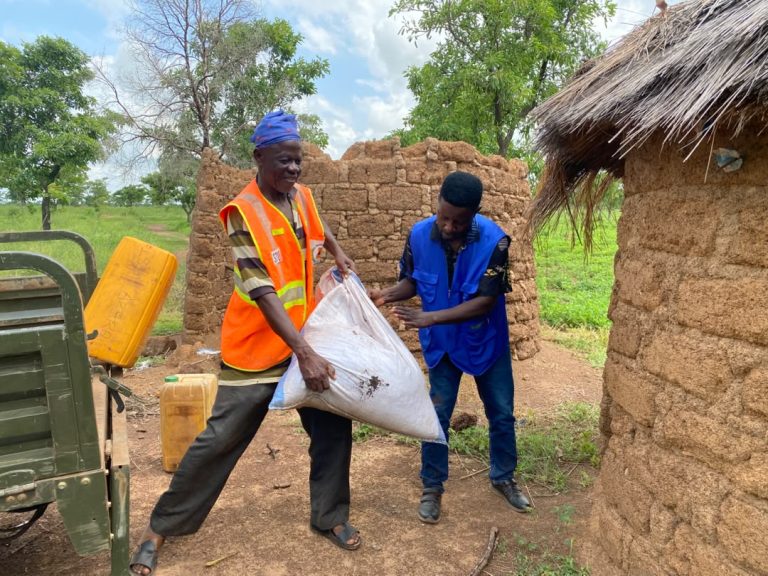
2. Build Climate-Resilient Infrastructure by enforce urban planning laws. Clear and protect waterways. Invest in drainage, retention ponds, and green spaces. In our communities, we promote fire belts and vegetation clearing after harvest. In cities, we must do the same for drains.
3. Equip Communities to Respond
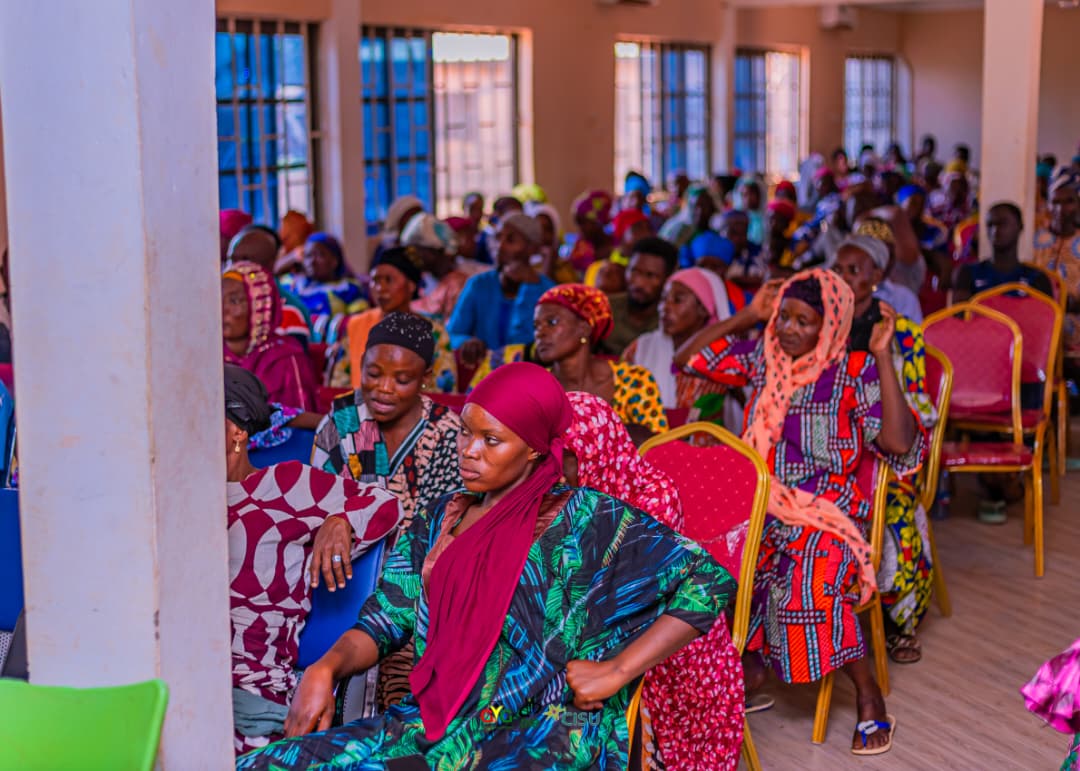
Just as Ghana National Fire Service advised during our R2C durbars in Tolon and Savelugu, households and communities need emergency plans with clear evacuation routes. Schools, markets, and local assemblies must have flood response protocols that are practiced, not just written.
 4. Scale Climate-Smart Practices Nationwide.
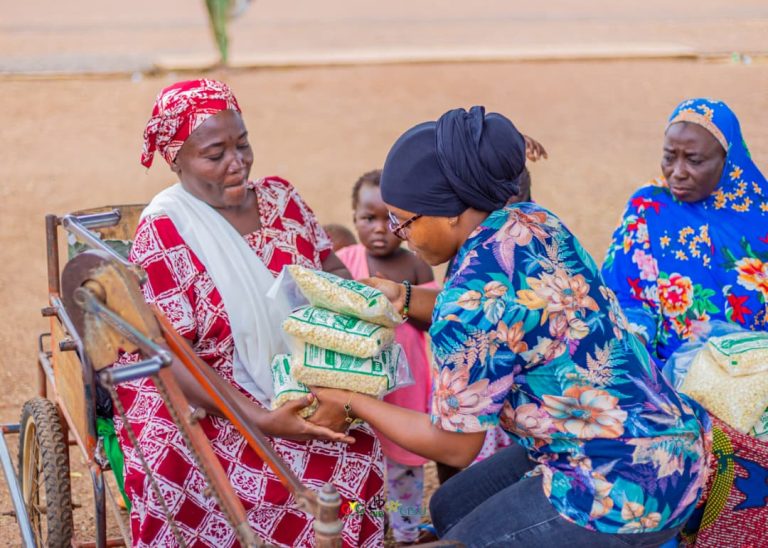
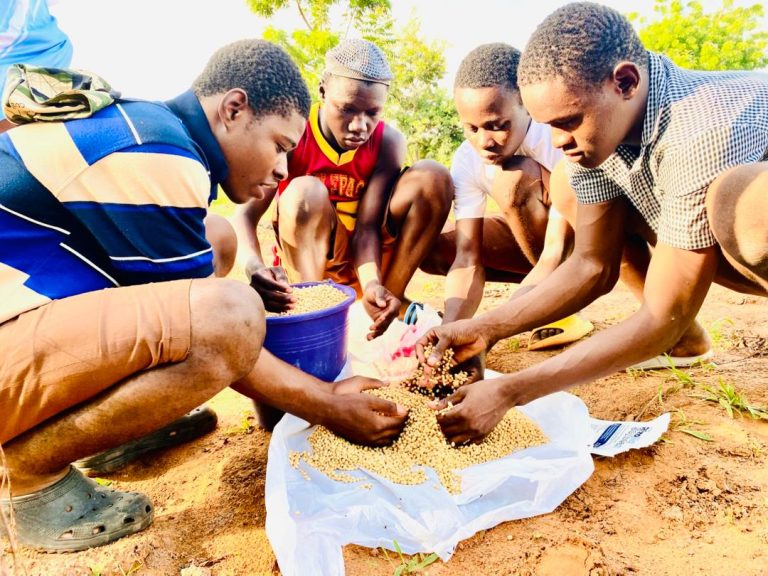
Through R2C, farmers are learning composting, water management, and agroforestry to cope with erratic rains. These practices must be scaled. Resilience starts on the farm and in the community.
5. Make Climate Action a National Priority with Local Ownership.
Government, CSOs, traditional authorities, the private sector, and citizens must work together. As we told stakeholders at the R2C launch in June 2025, local capacity + national support = real resilience.
 GYG will continue to work with farmers, youth, women, and local authorities to build community-level resilience. But communities cannot do it alone. Today’s floods are not just about rain. They are about preparedness. They are about policy. They are about justice.
Government must continue to fund the Ghana Meteorological Agency, fund disaster preparedness, and also fund climate adaptation. To the Ghanaian citizens, Let us hold institutions accountable, protect our waterways, and support each other, because climate justice means no one is left behind when the waters rise.