GYG’s Resilient Roots of Change Transforming Communities in Northern Region
Ghana Youth Guide is proud to present the comprehensive journey of the Resilient Roots of Change intervention which was officially launched in June 2025 to transform communities in Tolon and Savelugu through sustainable development and also seeking to empowering the Ghanaian youth for sustainable agriculture.
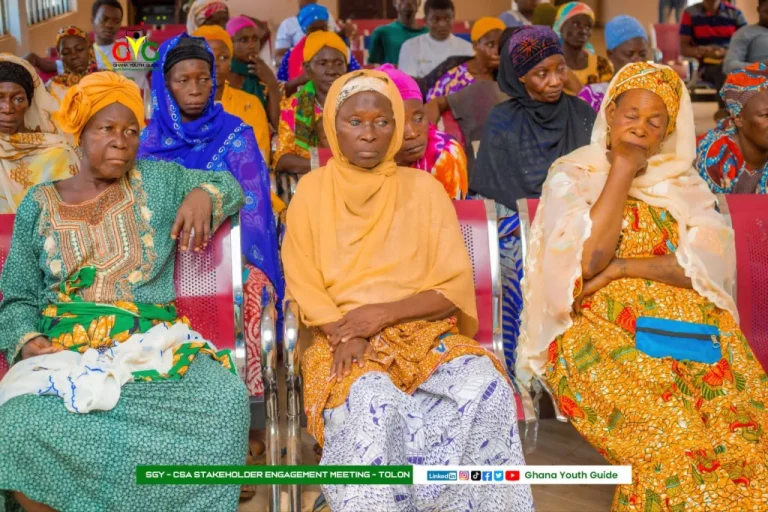
Since the inception of the the Resilient Roots of Change project which has been focusing on empowering household farmers and community members with education and training on sustainable and climate‑smart agriculture for social change, aiming to foster community resilience and drive environmental awareness.
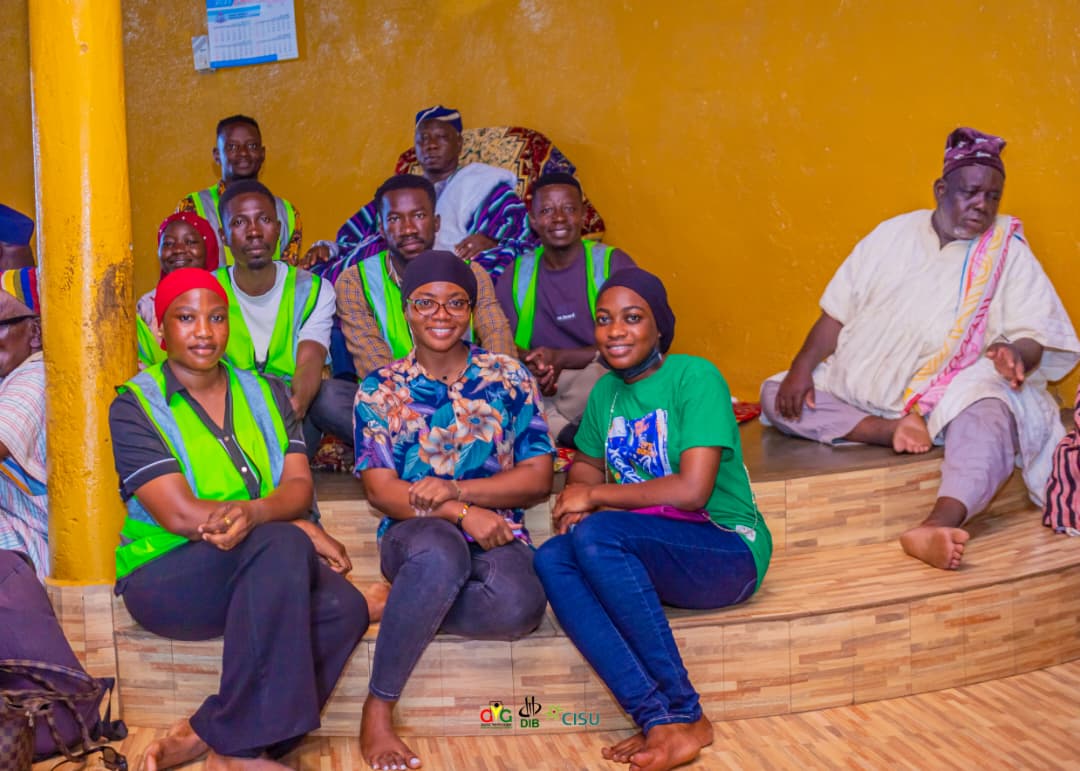
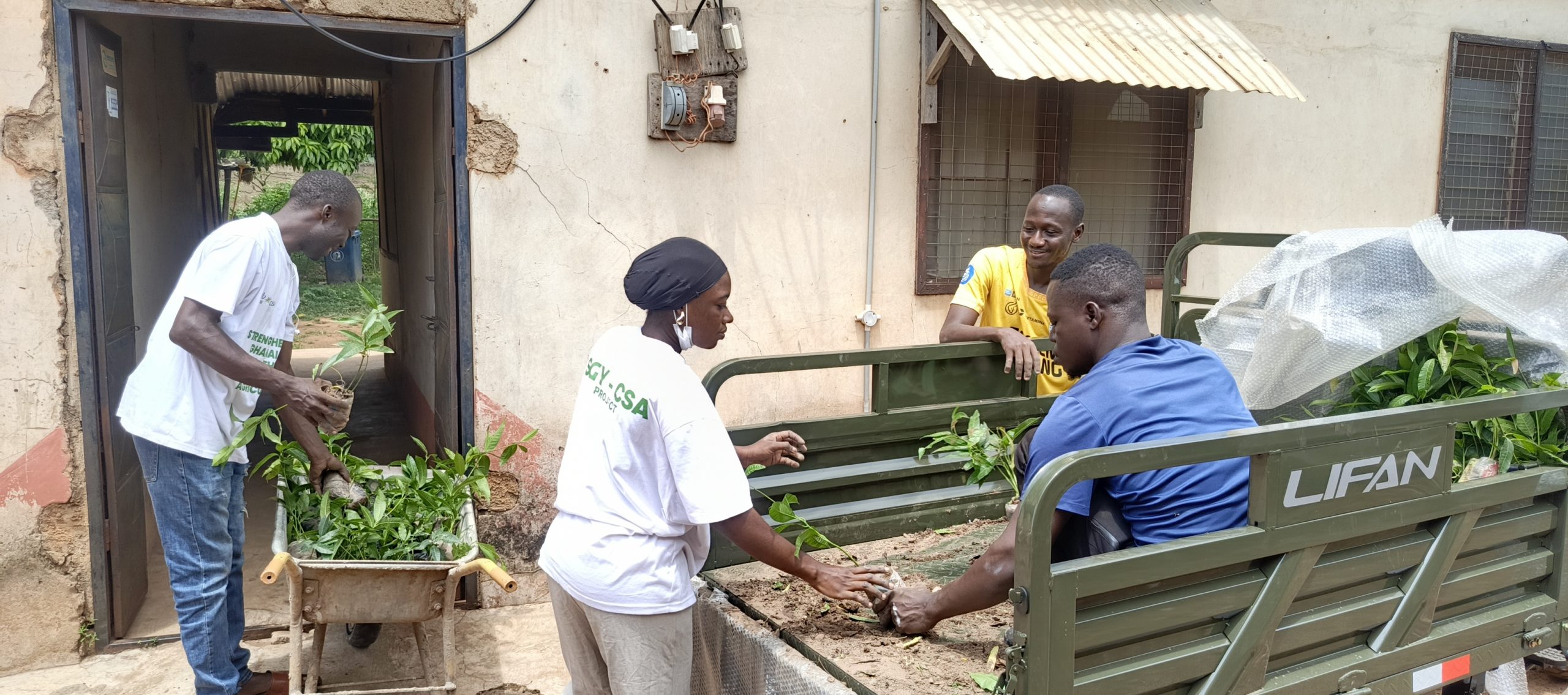
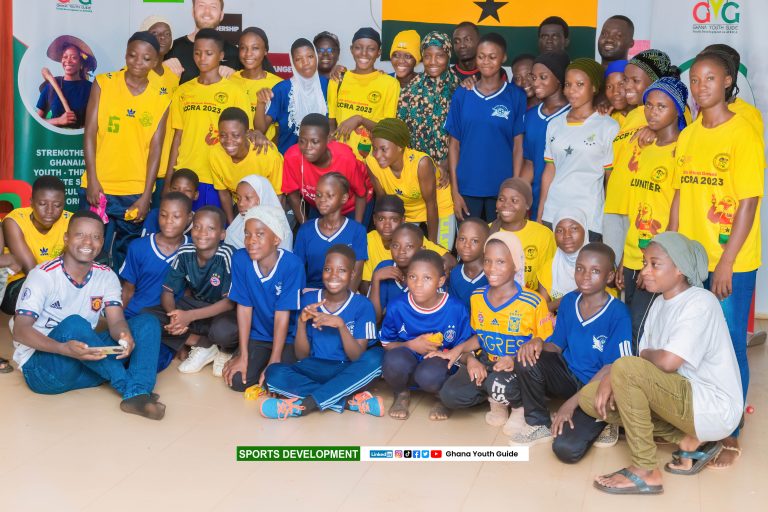
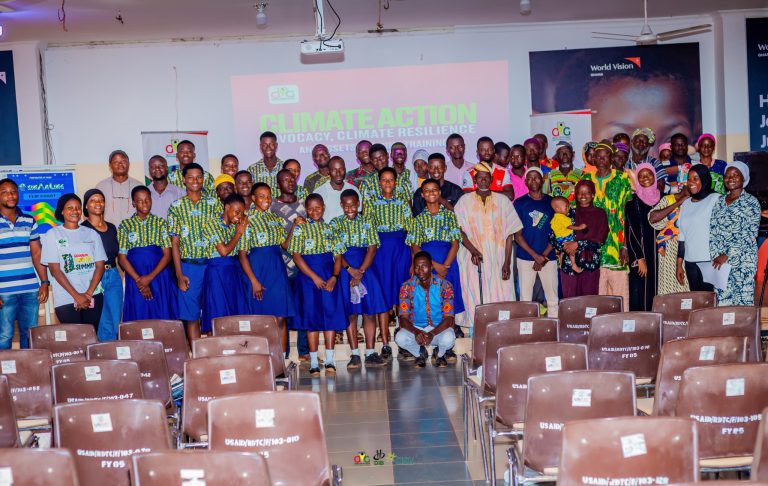
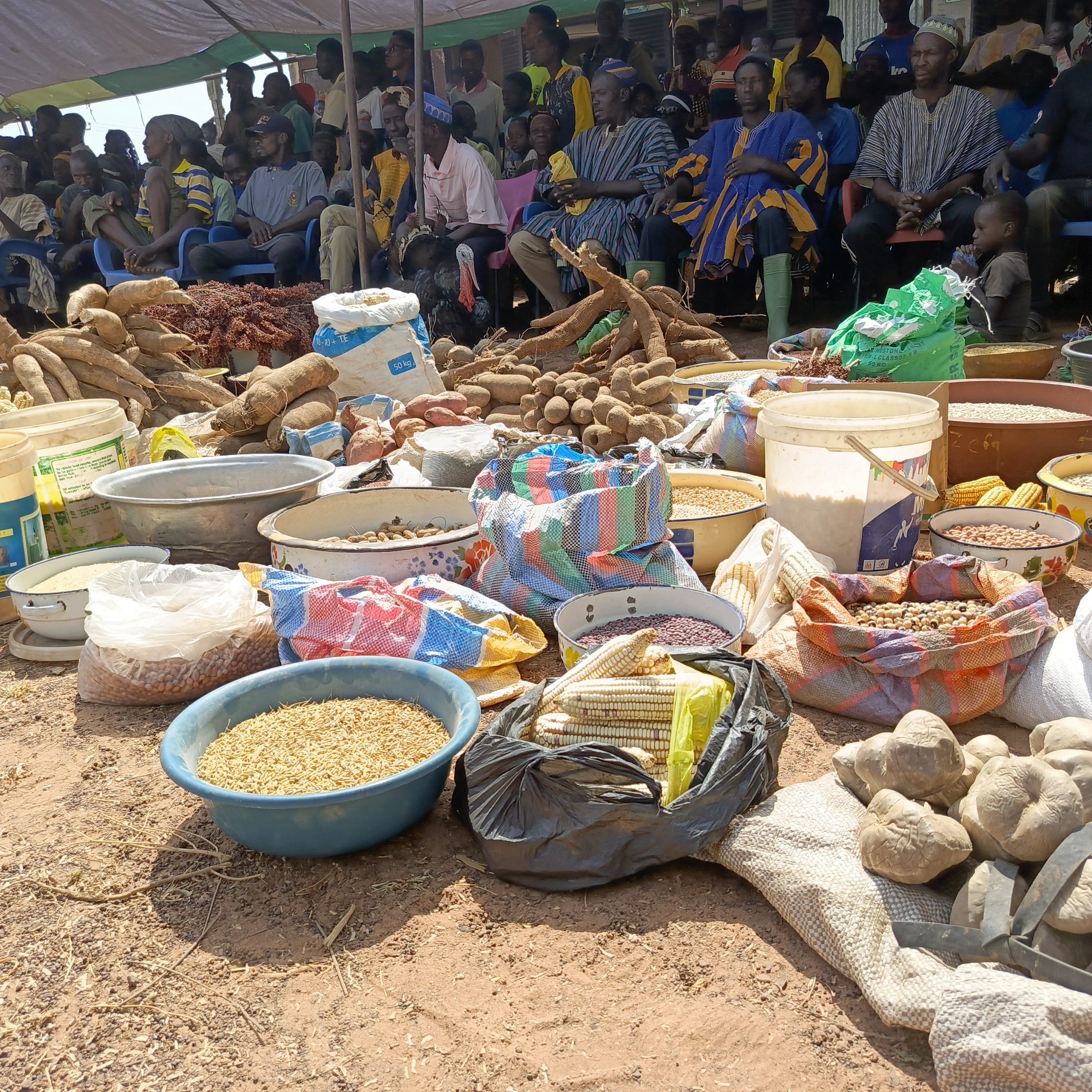
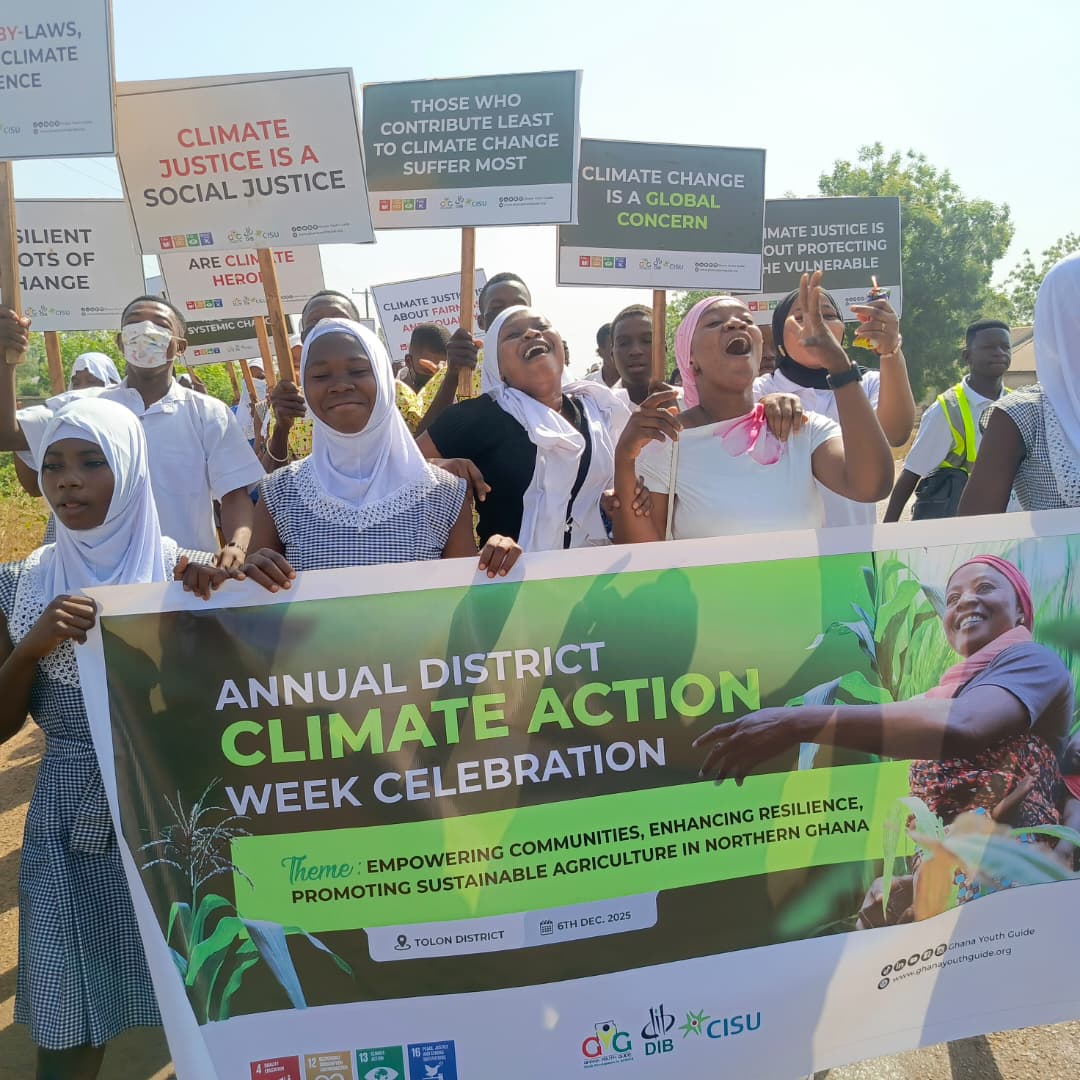
Some of the key activities undertaken under the Resilient Roots of Change intervention in Tolon and Savelugu include: conducting of a community baseline surveys in Tolon and Savelugu, upgrading and translation of climate smart agricultural training manual into sign language and local dialect, monthly interactive radio interactive program, distribution of certified maize seeds for house hold farmers, provision of CSA tools for household farmers and students, community engagement meetings with household farmers to promote sustainable agricultural practices and climate action, community durbars and sensitization meetings in Tolon and Savelugu, educating locals on climate‑smart agriculture and its impact on social change, distribution of cash crops seedlings to household farmers in Tolon and Savelugu, annual district climate action week celebrations in Tolon and Savelugu, focusing on bush burning, deforestation, and fire safety awareness, capacity building training programs for community members on innovative agricultural techniques that enhance resilience to climate change, project monitoring and community stakeholder engagements to ensure effective implementation of sustainable development initiatives, establishment of community resilience committees in Tolon and Savelugu districts to coordinate local actions on climate adaptation and sustainable development, collaboration with the Ghana Education Service on the establishment of school Green Clubs (School Gardens) at Tolon and Savelugu Senior High School to inspire youth involvement in environmental stewardship and climate action, development of community Green Park in Tolon at Gbalahagu and Galinkpegu, serving as a community space for environmental education and sustainable practices promotion.
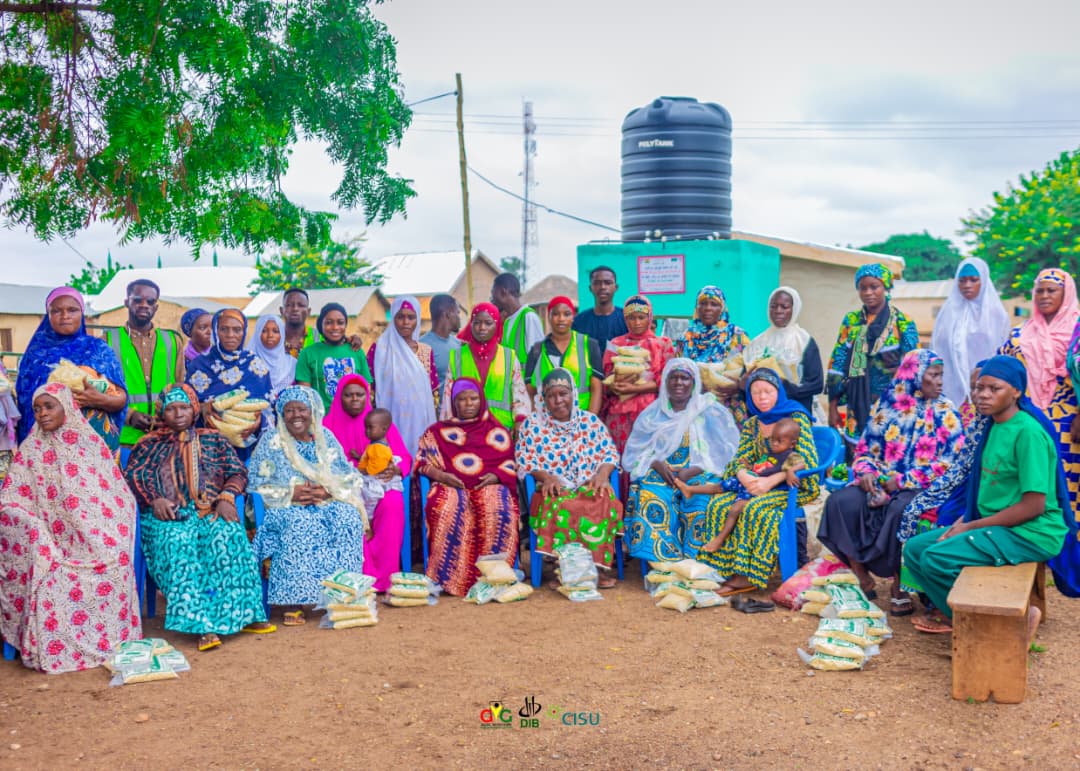
Through these activities, the Resilient Roots of Change intervention has strengthened community capacity, promoted environmental stewardship, advanced sustainable agriculture, and empowered youth and local structures for resilience in Tolon and Savelugu, contributing to overall social change and a greener future. GYG remains committed to expanding the impact of this initiative.
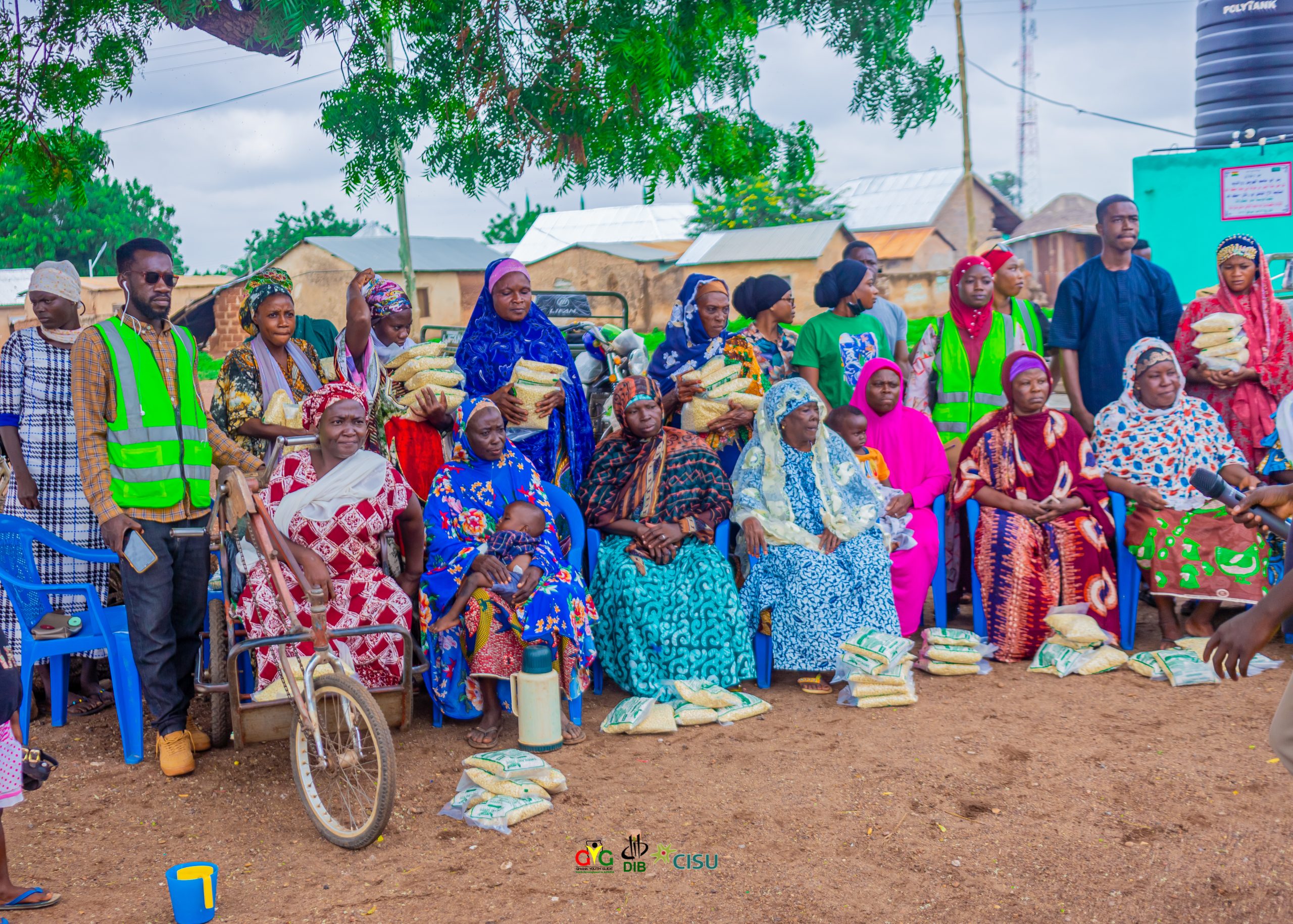
GYG early oberservation shows that, out of 300 household women farmers who received certified seeds under the Resilient Roots of Change (R2C) intervention, 287 now have access to farmland and have since adopted climate-smart agricultural practices in Tolon and Savelugu, representing 95.67%. This indicates a highly successful outcome of the Resilient Roots of Change intervention in empowering women farmers in Tolon and Savelugu to access farmland and adopt climate-smart practices.
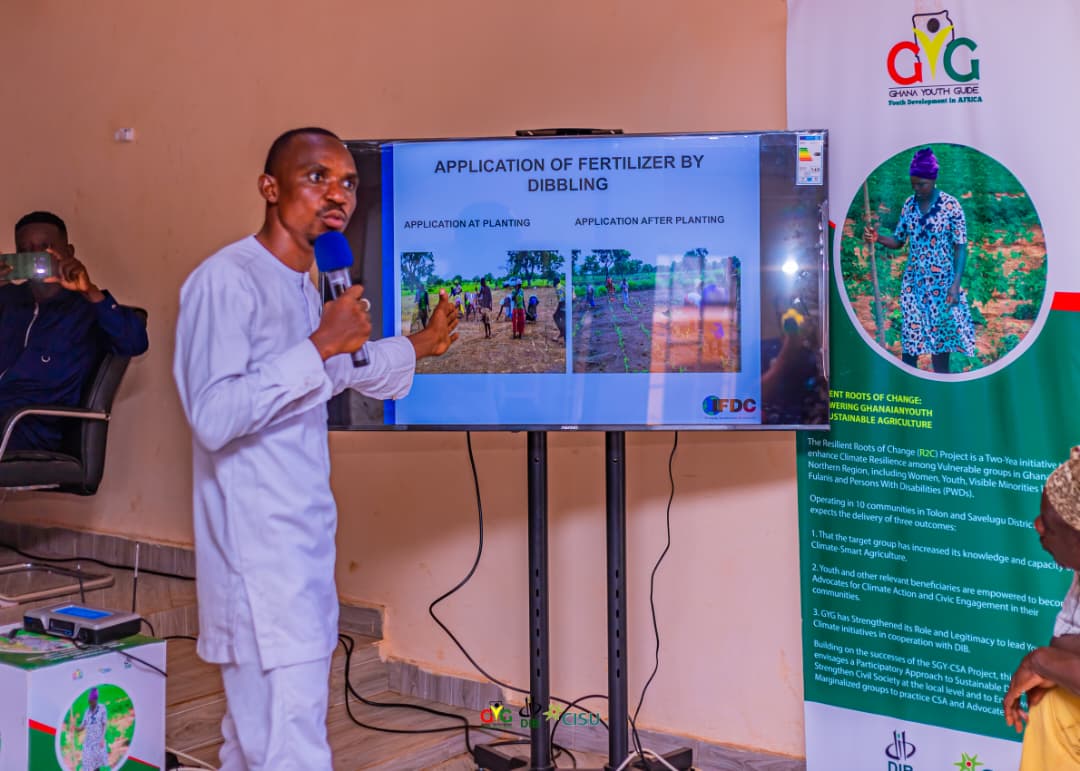
A large majority of women farmers have achieved significant maize harvests after receiving the certified seeds. Out of the 500 household farmers in Tolon and Savelugu, 435 have increased knowledge and capacity for climate-smart agricultural practices and techniques. They are now adopting climate-smart practices in Tolon and Tavelugu representing 87%.
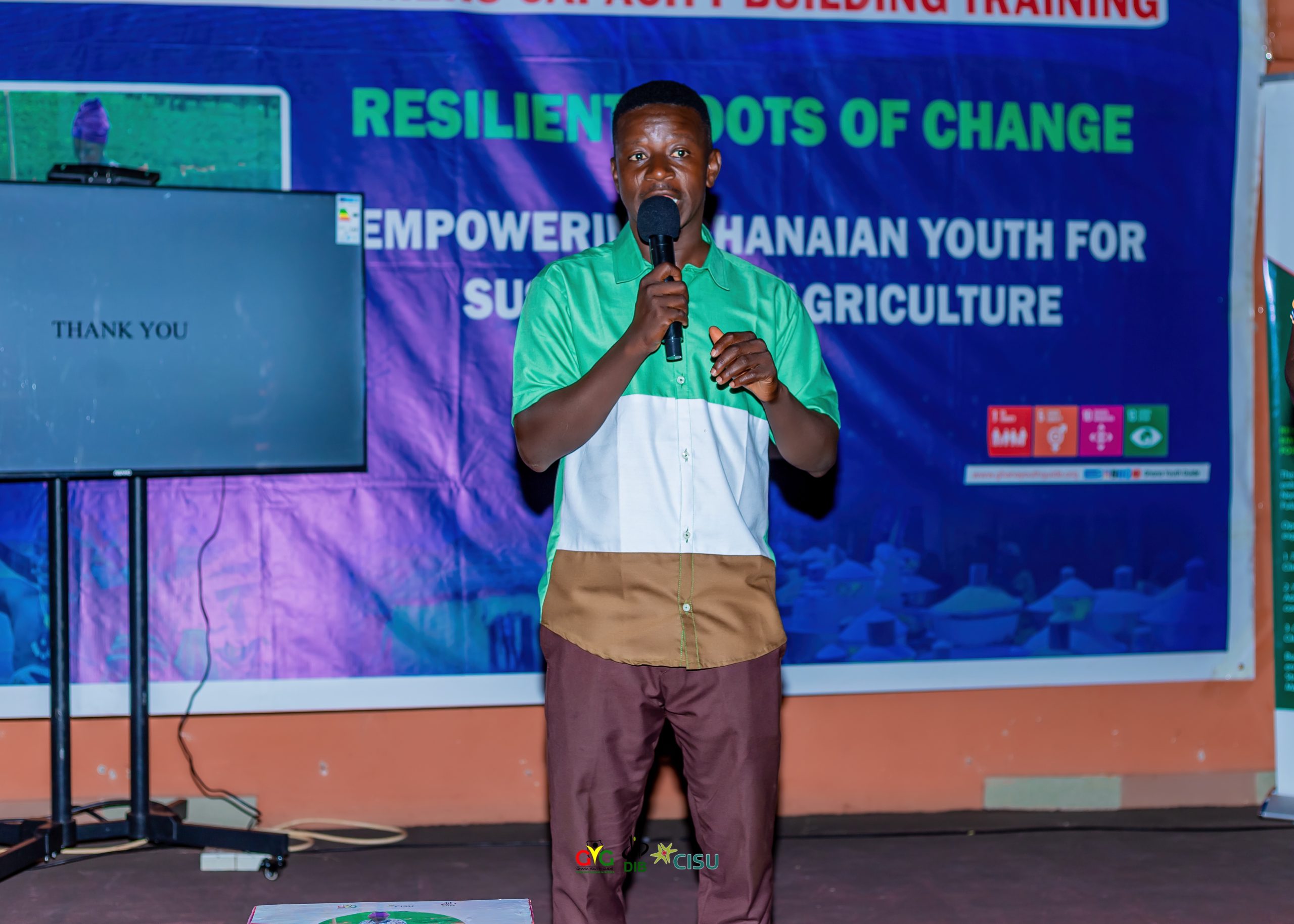
The establisment of the school gardens inTolon and Savelugu also led to the recognition of Ghana Goverment through the Ministry of Food and Agriculture awarding Tolon and Savelugu Senior High Schools as the best innovation in sustainable Agricultural practices in both districts.
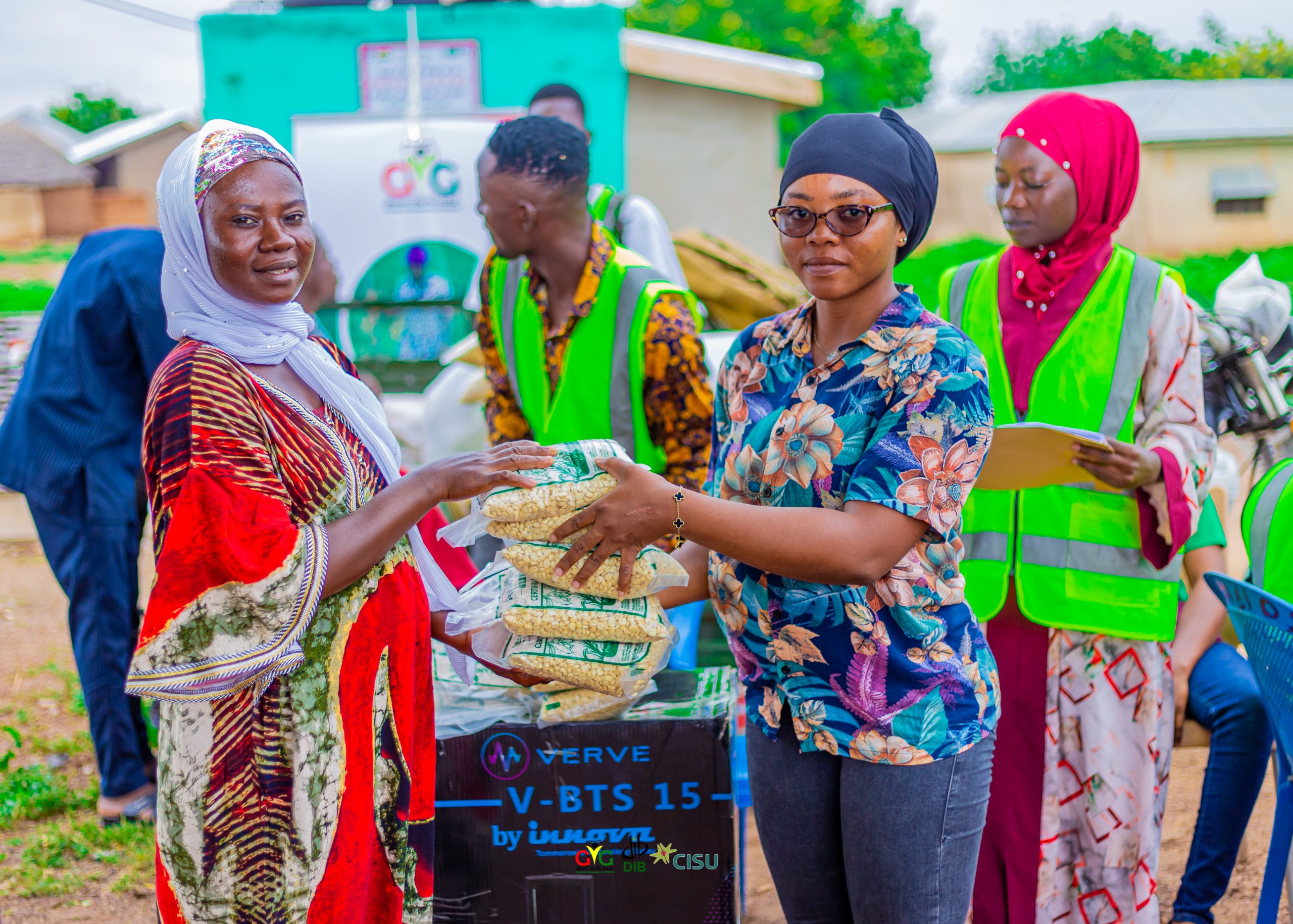
Per GYG’s observations, it shows a huge majority of household farmers in Tolon and Savelugu are adopting climate-smart practices. This is observed through GYG interviews, testimonials from households/farmers, and analyses of our monthly field reports as well as our engagement meetings.